In the past, the village was a Turkish settlement known as Odaite. Located on the important road for trade caravans from Gabrovo and Veliko Tarnovo to Svishtov and Ruse, there were several inns in the village. Hence the name of the village, from the Turkish word oda - room, inn. Innkeeping flourished even after the Liberation and stopped after the opening of the Ruse – Gorna Oryahovitsa railway line.
On the other side of the Yantra River, in the areas of Mechi Dol and Gramatika, there were Bulgarian settlements, and between them, in the area now known as Manastir Tepe, there was a monastery or chapel. What happened to these settlements is not known, as they no longer existed at the time of the Liberation and are now studied only by treasure hunters.
During the Liberation, most of the Turkish population left with the retreating Turkish troops; after the signing of the peace treaty with Turkey, they returned and began to sell their property. From this period began the settlement of Bulgarians in the village. The first settlers came from the neighbouring village of Polski Senovets, and then from the villages of Mihaltsi, Dichin, Resen, Sergyuvets (now part of Parvomaytsi, Gorna Oryahovitsa municipality), Vishovgrad and several families from the Balkan mountains.
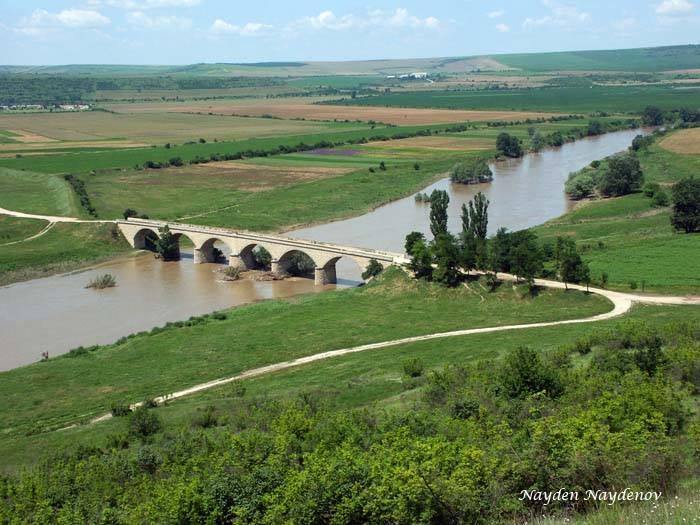
Compared to the neighbouring villages, the village was considered poor. To overcome the need for land, forests on the east bank of the Yantra River were uprooted. The main livelihoods of the population were agriculture and cattle breeding. More than half of the village's properties were located east of the Yantra, which necessitated the construction of a stone bridge over the river in 1926 – 1928.